Retail Seasons Prompt Noticeable Changes in Prize Contest Participation Rates
Rafael Wolf · Sep 8, 2026
Retail Seasons Prompt Noticeable Changes in Prize Contest Participation Rates
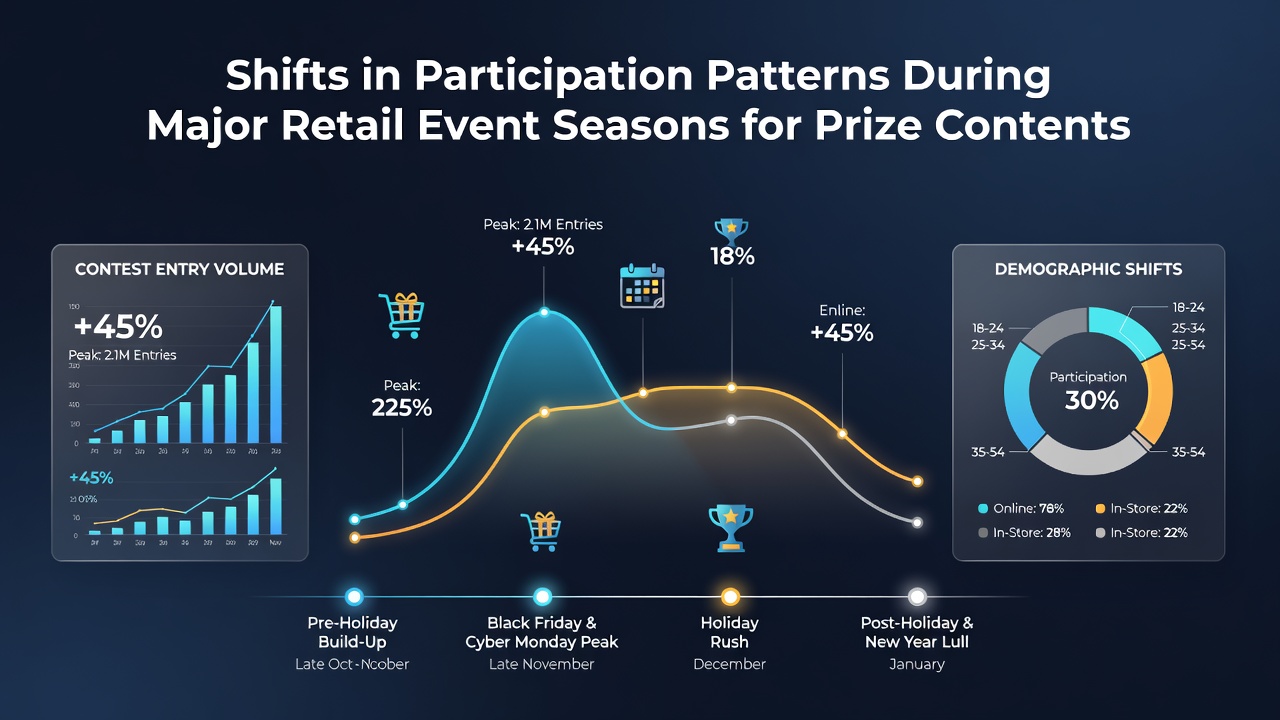
Retail calendars shape how people engage with prize contests, and data from multiple tracking services shows clear spikes in entries that align with major shopping periods such as back-to-school promotions, holiday sales events, and seasonal clearance drives. These shifts appear because retailers and brands launch more contests during high-traffic months to draw attention to products, and participants respond by submitting entries at higher volumes when new opportunities surface daily.
Back-to-School Timing and Entry Volume Increases
September 2026 brought the usual surge in school-related promotions, and researchers tracking online contest platforms recorded entry counts rising by double-digit percentages compared with summer months. Families often search for ways to offset costs, so they turn to contests that offer electronics, apparel, and gift cards tied to those purchases; one analysis of platform logs revealed that entries for school-supply giveaways climbed steadily from late August through mid-September as advertisements blanketed social feeds and email lists.
Observers note that participation does not stay flat across all categories. Electronics and apparel contests attract the largest share of new entrants during this window, while cash-prize drawings see steadier but less dramatic growth. Those who monitor daily submissions point out that mobile entries outpace desktop submissions once school routines settle in, because parents and students complete forms during commutes or study breaks rather than at fixed desk times.
Holiday Retail Events and Broader Geographic Spread
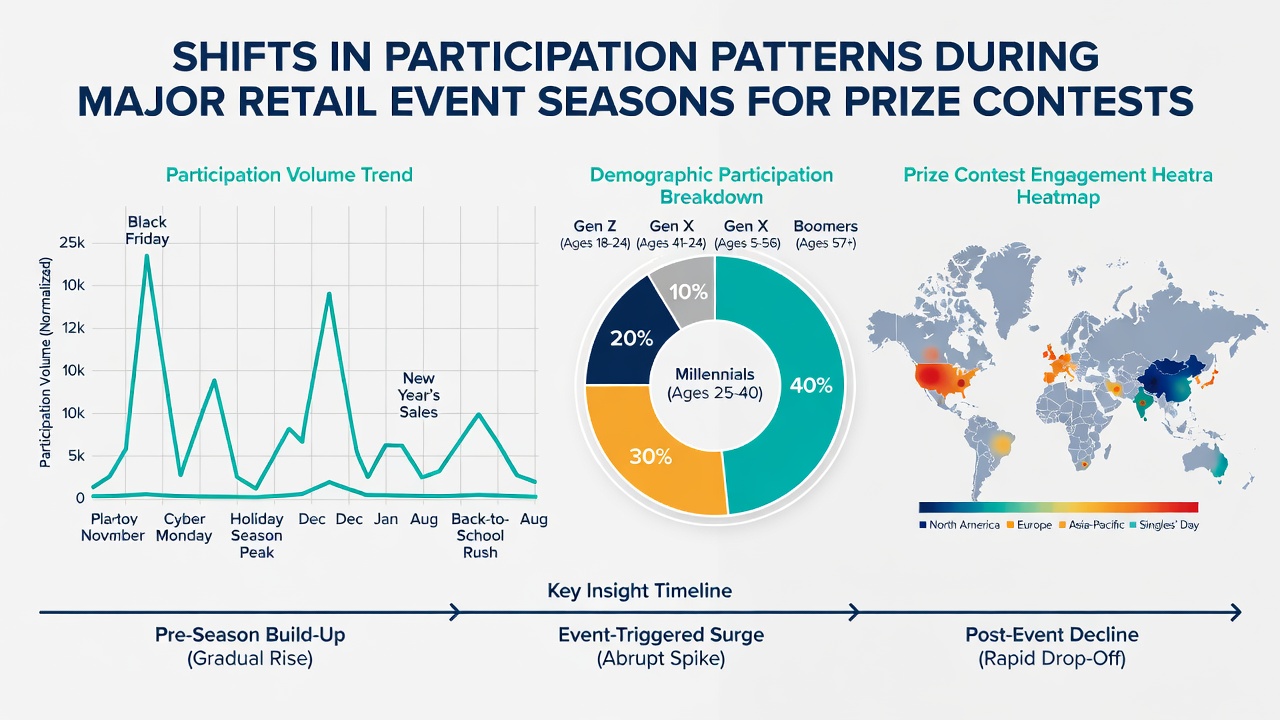
Black Friday and Cyber Monday periods extend the pattern further, with contest organizers reporting that total submissions can double or triple within a single week when major chains tie giveaways to door-buster deals. Data collected across North American and European platforms indicates that entrants from smaller cities and rural areas increase their activity more sharply than urban users during these weeks, likely because online entry removes geographic barriers that once limited access to physical retail promotions.
Industry reports from the National Retail Federation highlight how brands coordinate contest timing with inventory clearance goals, and this coordination creates predictable waves of new contest listings that participants quickly locate through aggregator sites. Entry patterns also shift toward evening hours in the weeks leading up to major holidays, as people combine shopping research with contest submissions during the same browsing sessions.
Category-Specific Trends and Platform Behaviors
Contest types tied directly to retail products experience the most pronounced changes, whereas general cash drawings maintain more consistent entry curves year-round. Studies compiled by academic researchers at several universities show that apparel and gadget giveaways draw repeat entrants who track multiple listings per day, while one-time cash contests attract broader but less frequent participation. Platform operators report that users who begin entering during a retail event season often continue at elevated rates for several additional weeks, creating a tail effect that extends beyond the original promotion window.
Demographic data reveals that younger adults increase their activity during back-to-school and holiday periods at higher rates than older groups, and this difference appears in both frequency of submissions and variety of contest categories attempted. Those monitoring social media discussions note that participants share links to new retail-tied contests more actively during these seasons, which in turn accelerates discovery for additional users who might not have searched independently.
Regulatory Context Across Regions
Rules governing prize contests remain consistent across seasons, yet enforcement notices from agencies such as the Federal Trade Commission in the United States and the Australian Competition and Consumer Commission emphasize clear disclosure of entry deadlines and prize values during high-volume periods. Compliance reminders often coincide with retail event calendars because organizers add more international eligibility options, and cross-border entries require careful attention to local advertising standards. Observers tracking submission volumes find that clearer rule language correlates with higher completion rates for entry forms, reducing drop-offs that occur when participants encounter confusing fine print.
Conclusion
Retail event seasons create measurable, recurring shifts in how people locate, select, and complete prize contest entries, and these patterns hold across multiple years of platform data. Category preferences, timing of submissions, and geographic reach all adjust in response to the volume and type of contests that brands launch to support sales cycles. Continued monitoring by research groups and regulatory bodies provides ongoing insight into these dynamics without altering the underlying rules that govern participation.