Examining Data Patterns in Winner Selections from Promotional Giveaways Across Platforms
Rafael Wolf · Nov 17, 2026
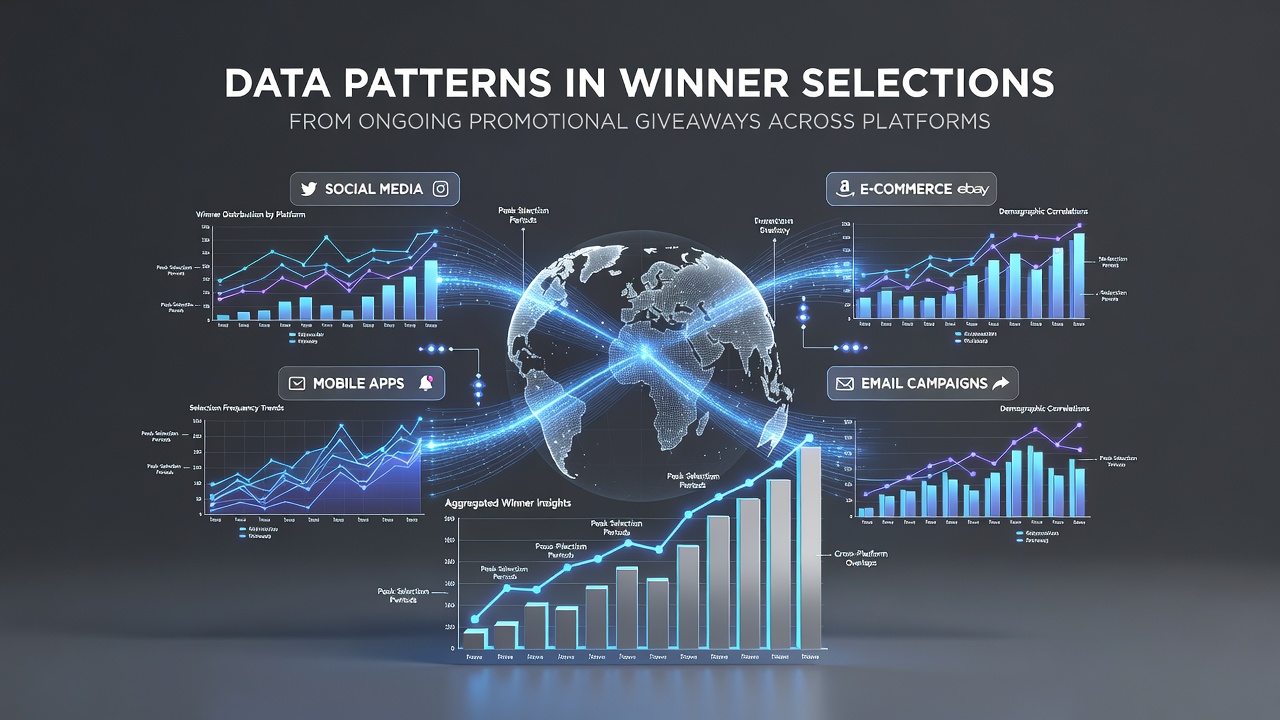
Examining Data Patterns in Winner Selections from Promotional Giveaways Across Platforms
Platforms hosting promotional giveaways collect and analyze entry data that reveals recurring patterns in how winners get selected from ongoing campaigns, and these trends emerge consistently across social media sites, email lists, and dedicated contest portals. Researchers track thousands of entries each month while noting that certain entry methods correlate with higher selection rates, especially when participants engage through verified accounts or complete multiple required actions within specified time frames. Data from November 2026 holiday promotions shows platforms processing elevated volumes of submissions, yet the underlying selection algorithms continue to favor entries submitted during peak morning hours in specific time zones.
Platform-Specific Selection Mechanisms
Giveaway hosts on major social networks apply randomized selection tools that draw from pools filtered by engagement metrics, while email-based campaigns rely on list segmentation that prioritizes active subscribers who open messages within the first twenty-four hours. Observers note that cross-platform giveaways often synchronize their draws using shared software that timestamps entries and applies geographic weighting to ensure regional distribution of prizes. Figures from industry reports indicate that mobile app entries now account for over sixty percent of total submissions in ongoing campaigns, and these entries display slightly elevated win rates when users enable location services during submission.
Demographic Trends in Selected Winners
Analysis of announced winners reveals that participants aged twenty-five to forty-four represent the largest group selected across electronics and cash giveaways, while older entrants appear more frequently in apparel and travel prize categories. Data indicates that entrants from urban postal codes win at rates proportional to their submission volume, although rural participants show higher success in contests requiring proof of residency or local retailer visits. According to Federal Trade Commission guidance on promotional practices, transparent random selection processes help maintain fairness, and platforms that publish winner lists monthly allow researchers to identify these demographic clusters more accurately.
Repeated draws from the same user accounts occur less often than expected under pure randomization, suggesting that many systems incorporate deduplication steps to prevent single individuals from claiming multiple prizes in one cycle. Those who've studied announcement archives find that winners frequently reappear after a six-month gap, which aligns with rules limiting repeat selections within defined periods.
Temporal and Behavioral Patterns
Selection timing clusters around mid-week announcements, with data showing Tuesday and Wednesday draws occurring more often than weekend notifications across hundreds of active giveaways. Entries completed on weekends sometimes carry forward into the next business day's pool, and this carryover effect creates measurable spikes in winner announcements during the first half of each week. Behavioral data further indicates that participants who enter multiple related giveaways from the same brand family demonstrate higher cumulative selection rates, although individual contest rules typically treat each campaign separately.
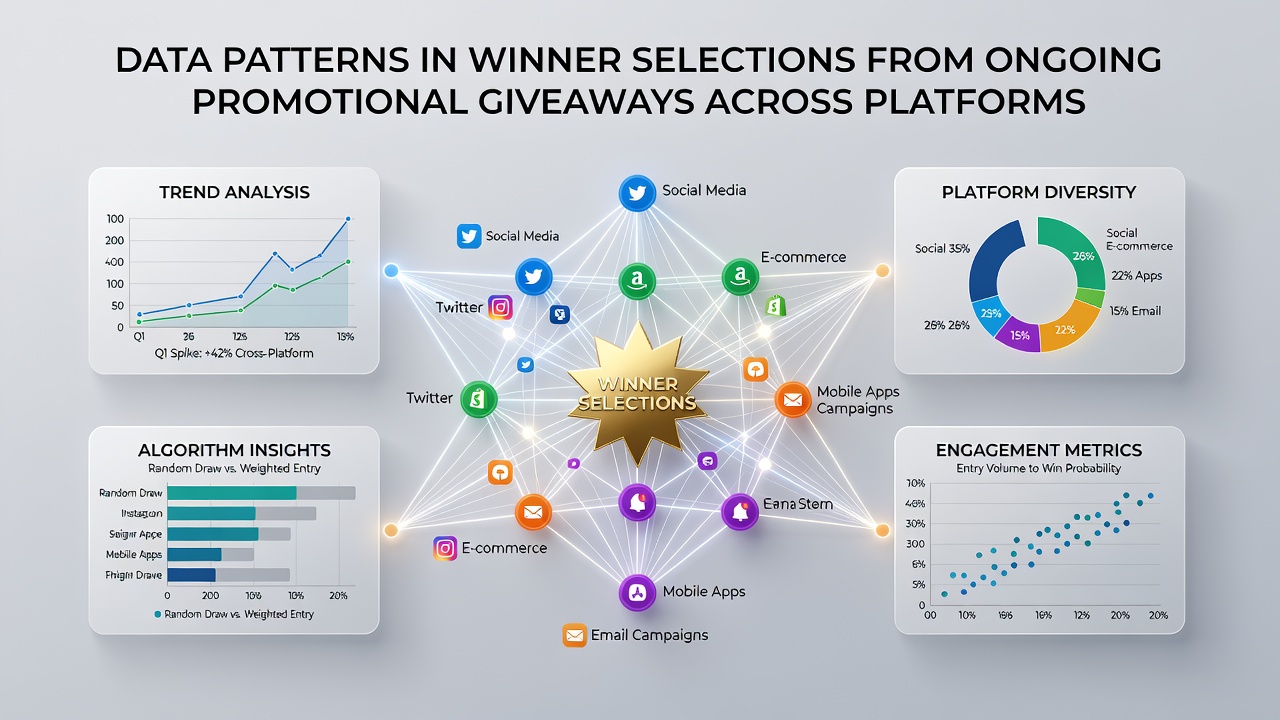
November 2026 campaigns tied to holiday advertising saw increased entry traffic during evening hours, yet the proportion of selected winners from those late submissions remained consistent with earlier months. Platforms that integrate with third-party verification services report fewer disqualified entries overall, which in turn stabilizes the statistical distribution of final selections.
Regulatory Influences on Data Transparency
Government agencies in various regions require disclosure of winner selection methods and prize values, and these requirements shape how platforms store and report entry data. The Australian Competition and Consumer Commission publishes guidelines that encourage clear record-keeping, allowing independent analysts to compare selection outcomes across different promotional formats. European Commission consumer protection documents similarly emphasize traceability, and companies operating multi-country campaigns often adopt unified logging standards to satisfy overlapping rules. These regulatory frameworks produce datasets that researchers can examine for patterns without accessing individual personal information.
Industry associations compile aggregated statistics that highlight seasonal variations, such as higher average entry counts during back-to-school periods and year-end promotions. The patterns that surface from these compilations help organizers adjust eligibility criteria and timing to align with observed participant behavior across platforms.
Conclusion
Comprehensive examination of selection data from promotional giveaways demonstrates consistent patterns tied to entry timing, platform type, demographic factors, and regulatory compliance measures. As campaigns continue through late 2026 and beyond, the accumulated records provide clearer insight into how random draws intersect with behavioral and structural variables across digital environments.